

Published Apr 03, 2026 • 5 min
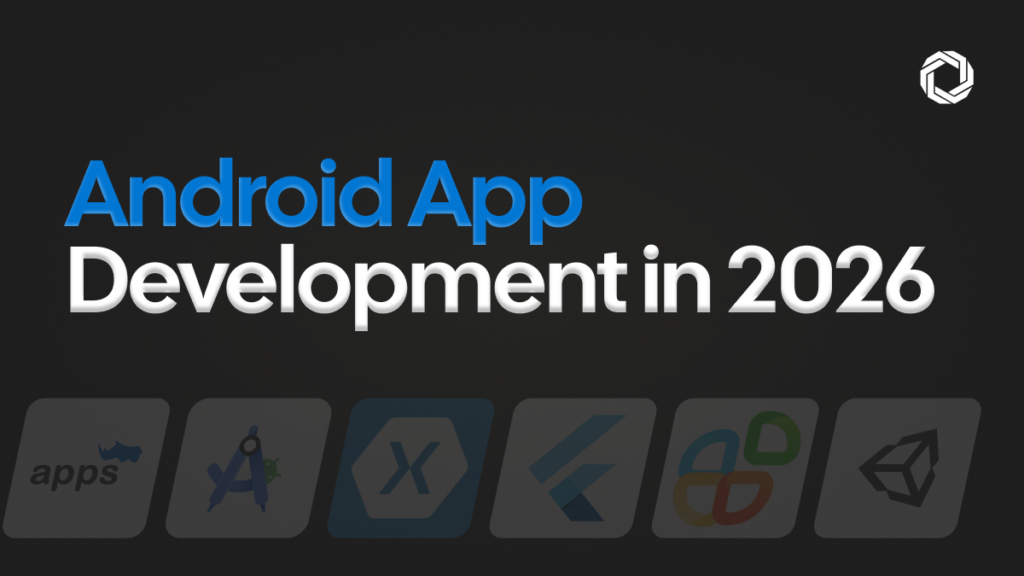
AppsRhino is designed for teams that are building beyond the MVP stage. Every layer of the platform reflects intentional engineering, stability, background optimization, and a security-first architecture that treats reliability as a product feature rather than an afterthought.
Its monitoring-driven approach makes it particularly well suited for apps that need to handle sustained growth without performance degradation. For businesses building serious, long-term digital products where engineering maturity matters from day one, AppsRhino is a strong foundation.
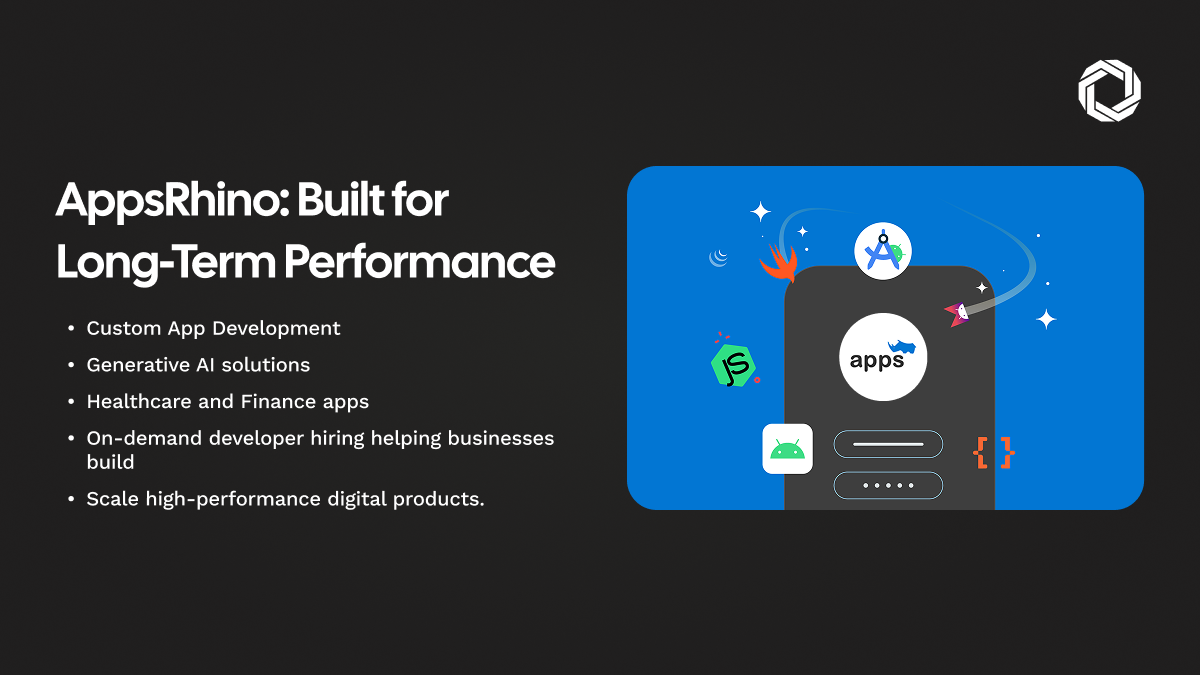
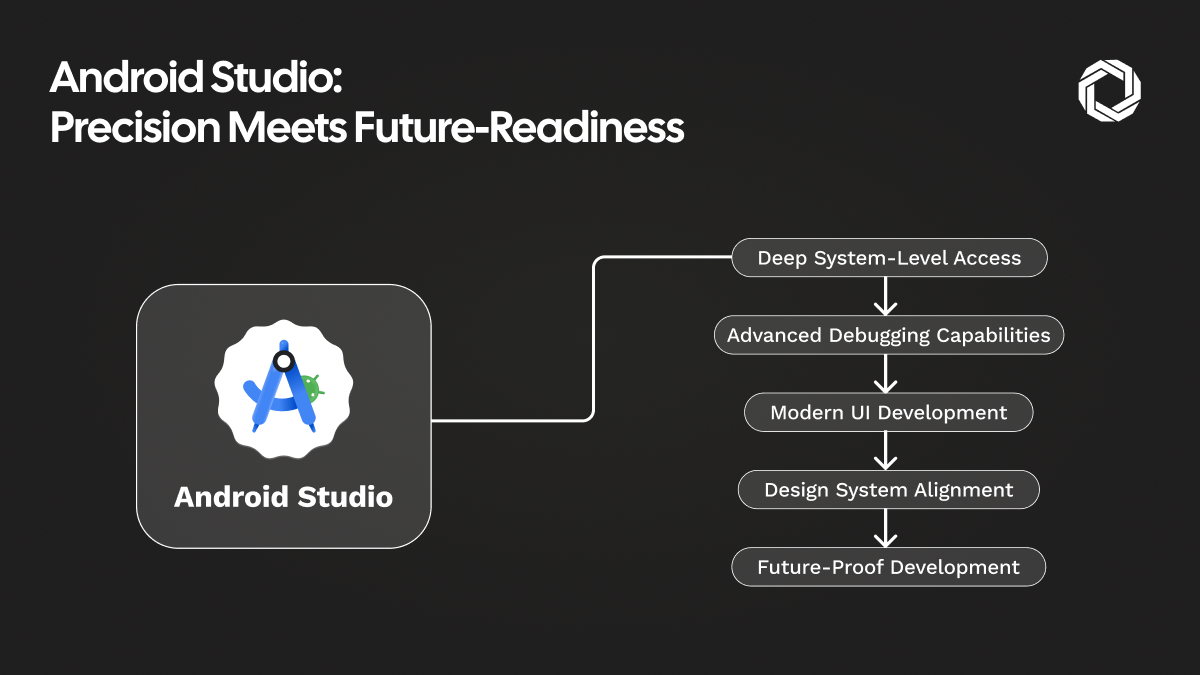
Android Studio remains the go-to environment for developers who want full control and deep system-level insight. It evolves in lockstep with Android itself, which means new platform capabilities, whether in hardware integration, performance optimization, or design systems, are available without workarounds or delays.
Its advanced debugging tools do more than fix errors. They surface hidden inefficiencies that affect real user experience before they reach production. For teams building robust, future-proof applications where precision matters, Android Studio remains the most powerful option available.
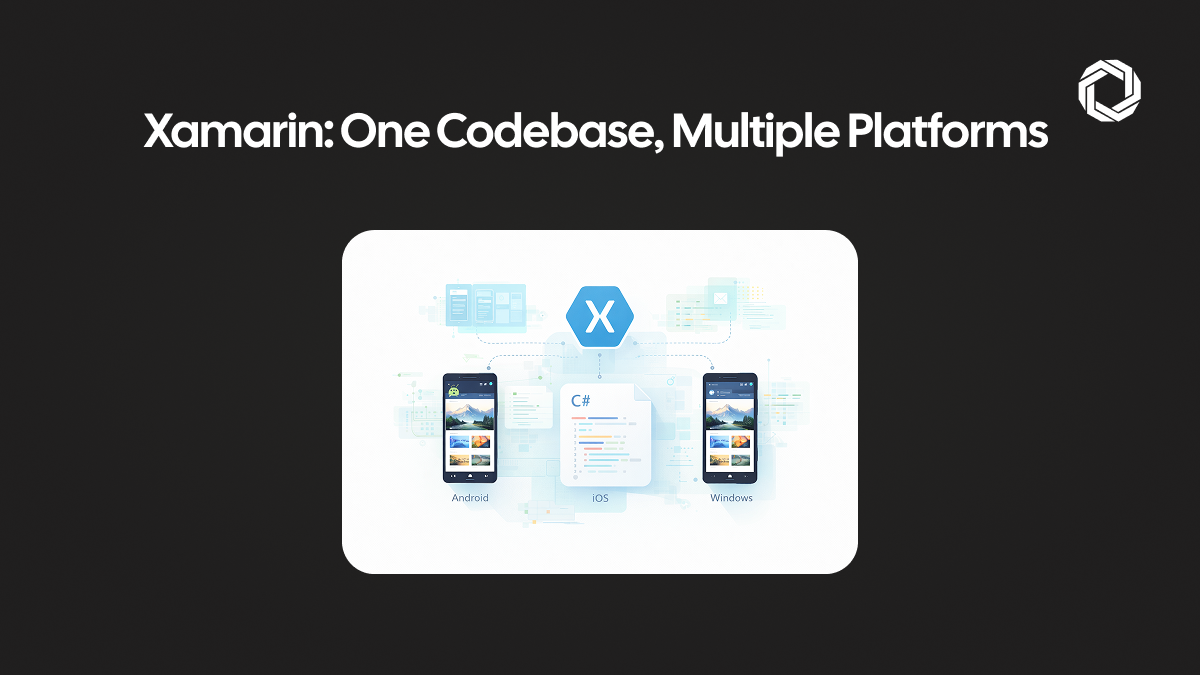
For businesses managing apps across Android, iOS, and Windows simultaneously, Xamarin still delivers meaningful strategic value. Writing once in C# and deploying across platforms allows teams to maintain design consistency, performance stability, and faster releaze cycles without multiplying engineering effort.
The operational complexity reduction is the core value proposition, not the cost saving alone, but the ability to maintain coherent products across platforms without separate teams or diverging codebases. For companies scaling multiple products at once, that consistency compounds over time.
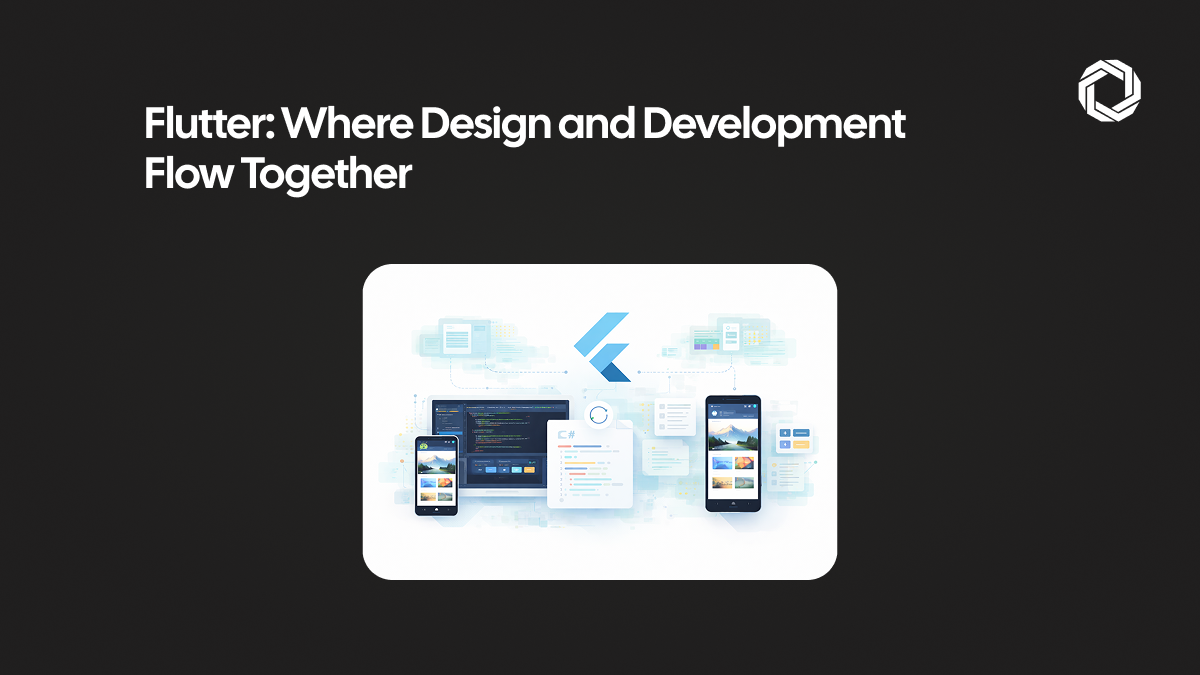
Flutter continues to attract developers who prioritize speed, creative control, and development momentum. Its declarative UI system and rich widget library make interface creation fast and intuitive. Hot reload keeps iteration moving without interruption, allowing teams to experiment and refine without breaking their flow.
In 2026, Flutter’s value is not just raw speed, it is the ability to maintain creative momentum while building applications that are genuinely production-ready. For teams where design quality and development velocity need to coexist, it remains one of the strongest choices available.
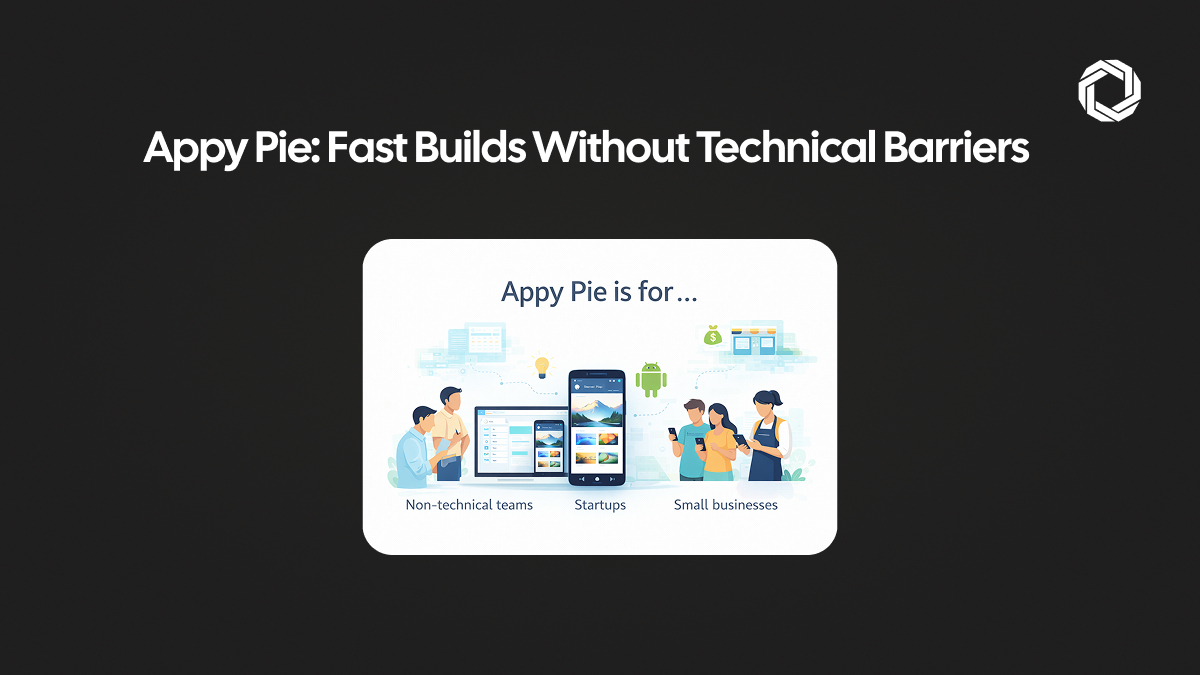
Appy Pie’s relevance in 2026 comes down to one clear strength: accessibility. It empowers non-technical teams, early-stage startups, and small businesses to launch Android apps quickly without engineering overhead.
It is not the right tool for deep customization or complex architecture. It is the right tool for prototypes, internal tools, and rapid market validation, situations where getting something in front of users quickly matters more than building the definitive version. Knowing when to use a no-code platform is itself a sign of engineering maturity.
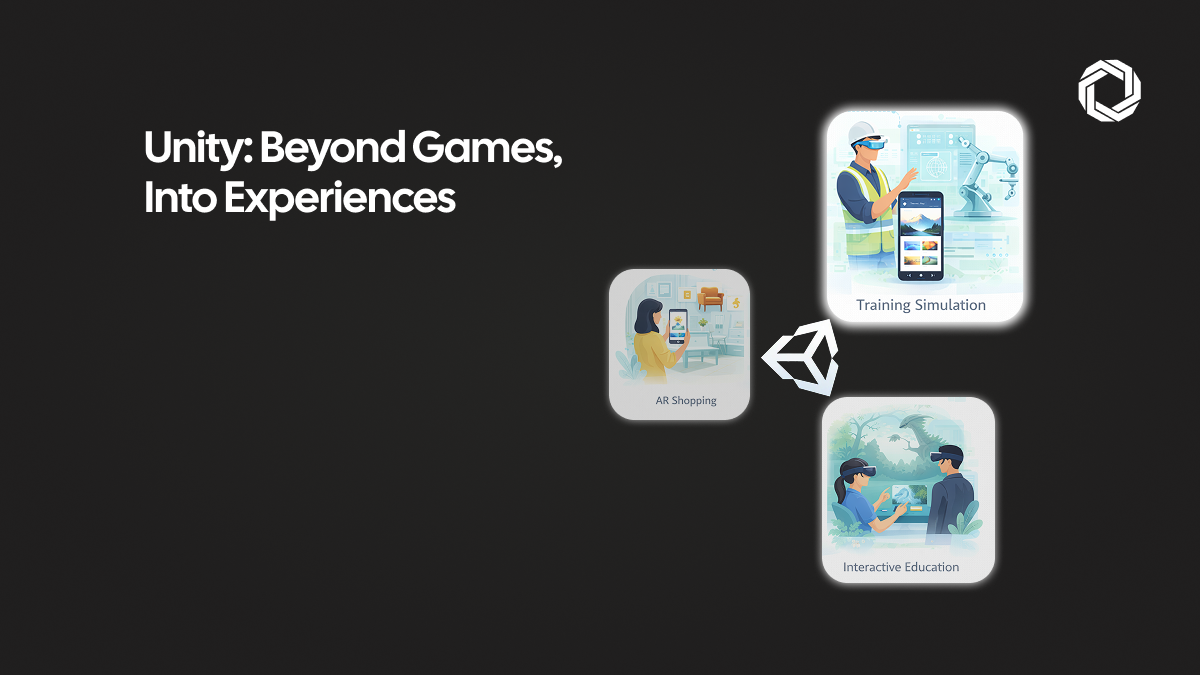
Unity’s role in app development has expanded well past its gaming origins. In 2026, brands are using Unity for AR shopping experiences, employee training simulations, interactive education platforms, and immersive brand storytelling, anywhere that motion, depth, and real-time interaction are central to the product.
Where most platforms optimise for standard UI patterns, Unity handles experiential complexity gracefully. For product teams building in categories where the interface itself is the experience, Unity opens possibilities that conventional mobile frameworks cannot replicate.