The core limitation of AI-assisted design has always been context. Tools generate fast, but they generate generically, disconnected from the actual requirements, systems, and standards a product team works within. Figma's two latest updates to Make address this directly. Attachments let teams ground AI outputs in real project assets. Make kits let teams enforce design system rules on everything the AI generates. Together, they represent a meaningful shift, from using AI to move faster to using AI to produce outputs that are closer to production-ready from the start.
The Problem Attachments Solve
AI-driven design systems used to require the manual conversion of requirements, guides, and data into prompts by the designer. This process makes the whole process less efficient because of the element of inconsistency, as well as deviation from real-life business requirements at the time the prompt generation ends. With the new attachments capability introduced by Figma Make, the team can simply attach product requirement documents, branding guidelines, code files in various programming languages such as TSX, JS, and CSS, images, video clips, SVG files, and even CSV/JSON data files straight to the system. The output will be generated based on actual business assets without the need to convert them to an abstract prompt. 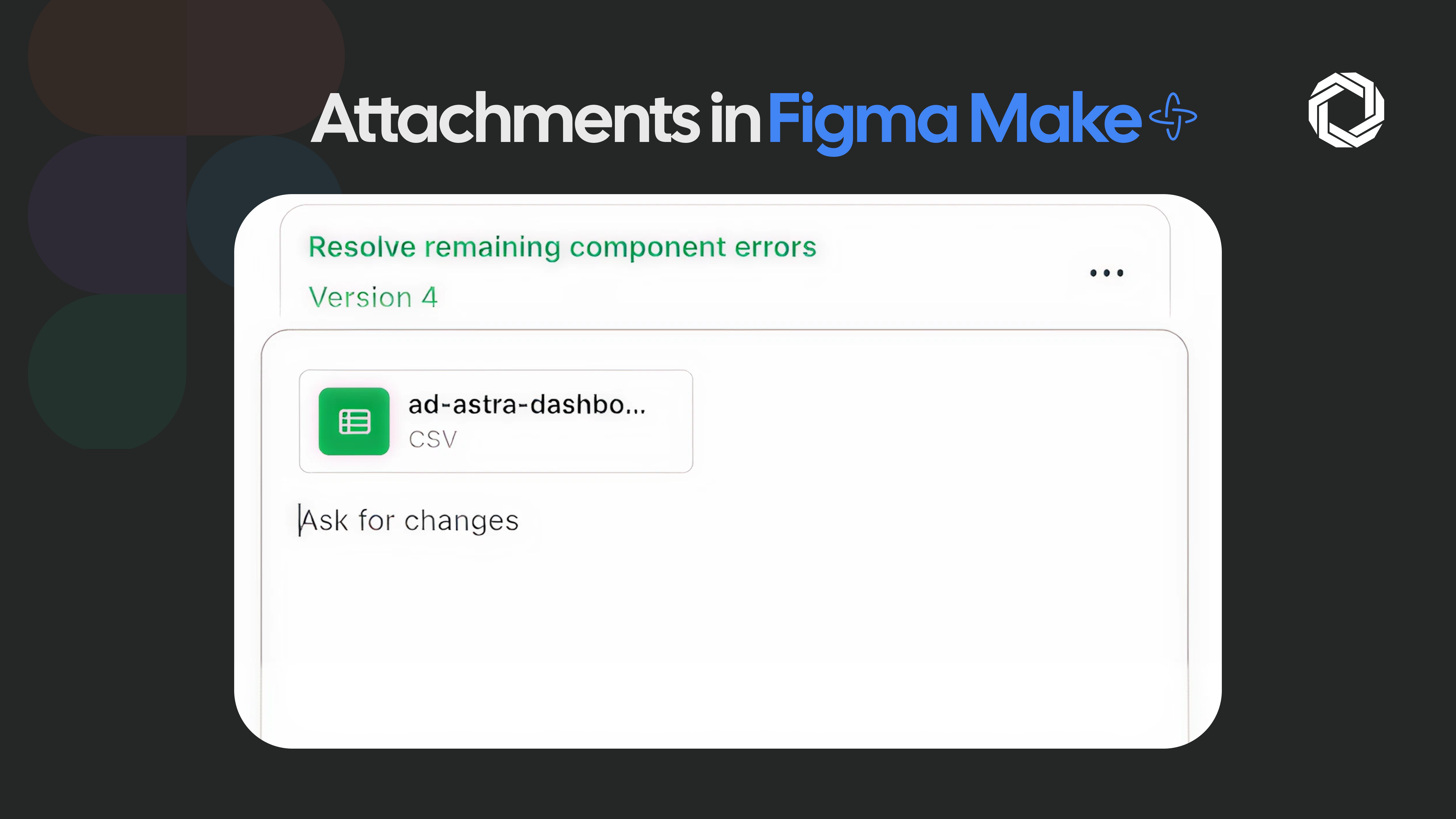
What Make Kits Actually Do
The second significant gap is to be resolved by Make kits: designing system alignment. In the absence of system alignment, AI-generated interfaces will contain generic space management, random components, and interaction patterns having no relation whatsoever to the team’s predefined standards. Make kits enable designers to bring in not only public npm packages, but private component libraries existing in the designer’s Figma organization, as well as Figma styles, variables, and tokens. With these elements imported into Figma Make, interfaces will immediately follow all the predefined patterns: the right components, the required spacing, the hierarchy and interaction patterns. Interfaces become instantly system-aligned. 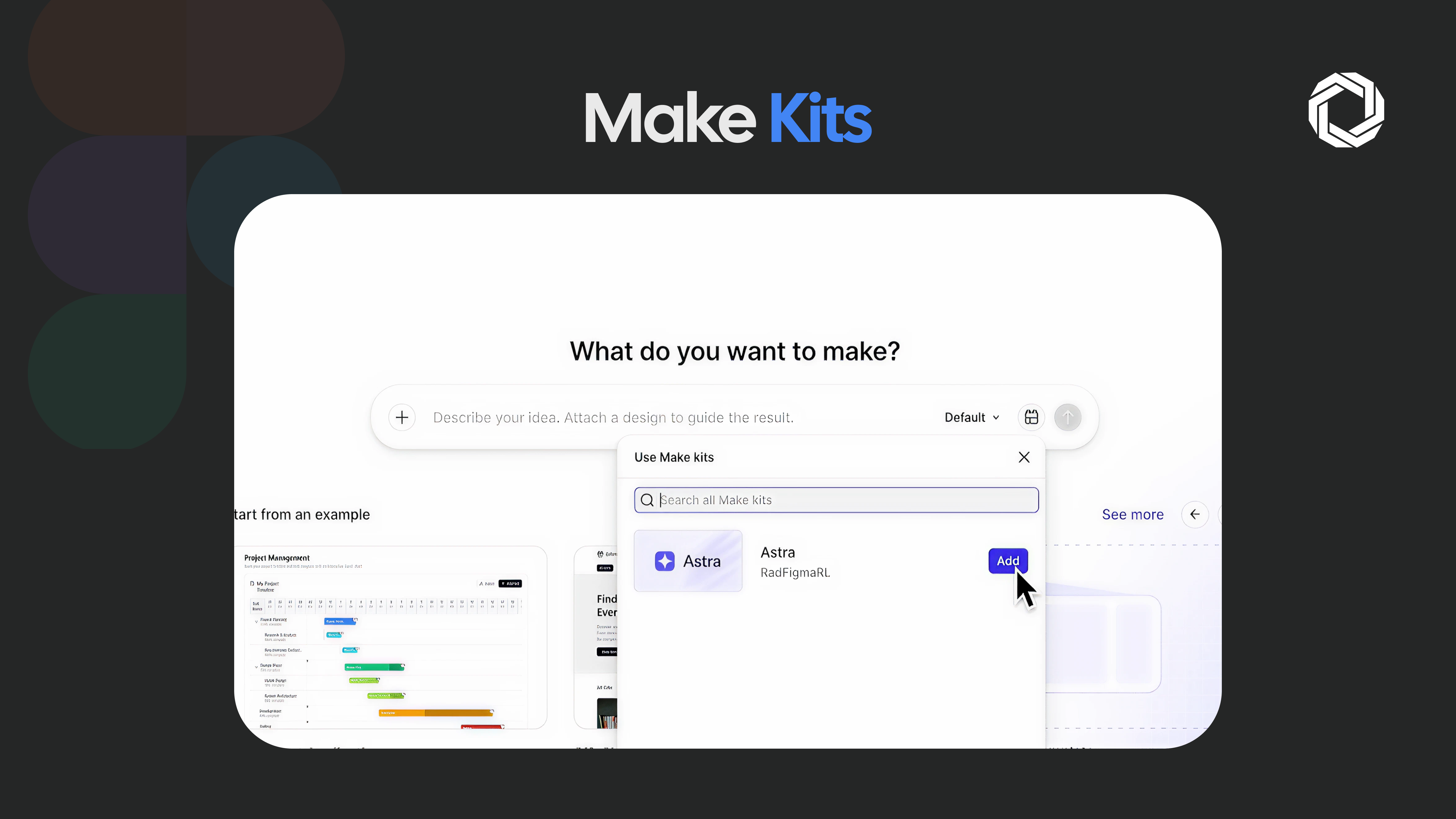
Why These Two Updates Matter Together
Attachments and Make kits address complementary needs. Attachments give information, outputs come from actual facts, actual needs, and actual brand guidelines. Make kits create uniformity, outputs conform to existing systems and guidelines without creating new ones. When used separately, both improvements make the system better in its own way. When used together, they elevate Figma Make above quick prototyping, making it a useful application for developing actual products, where the design output is not only faster but more accurate to the final product. The trend of AI for design tooling is becoming increasingly clear. Speed was the initial phase of this technology trend. The next phase of this is accuracy, consistency, and systems integration, AI that integrates with how professional product teams work instead of working around AI. These changes are definitely a positive sign for the trend of the future. For product and design teams who assess how AI will fit into their design process, the issue becomes one not of speed but whether AI-generated interfaces have been built within the appropriate context and are consistent with the appropriate systems.