From AI agents and decentralized infrastructure to privacy, cybersecurity, and cloud engineering, Devcon 8 highlighted important shifts in how modern digital products will be built.
Devcon 8 Mumbai: A Global Gathering of Builders and Innovators
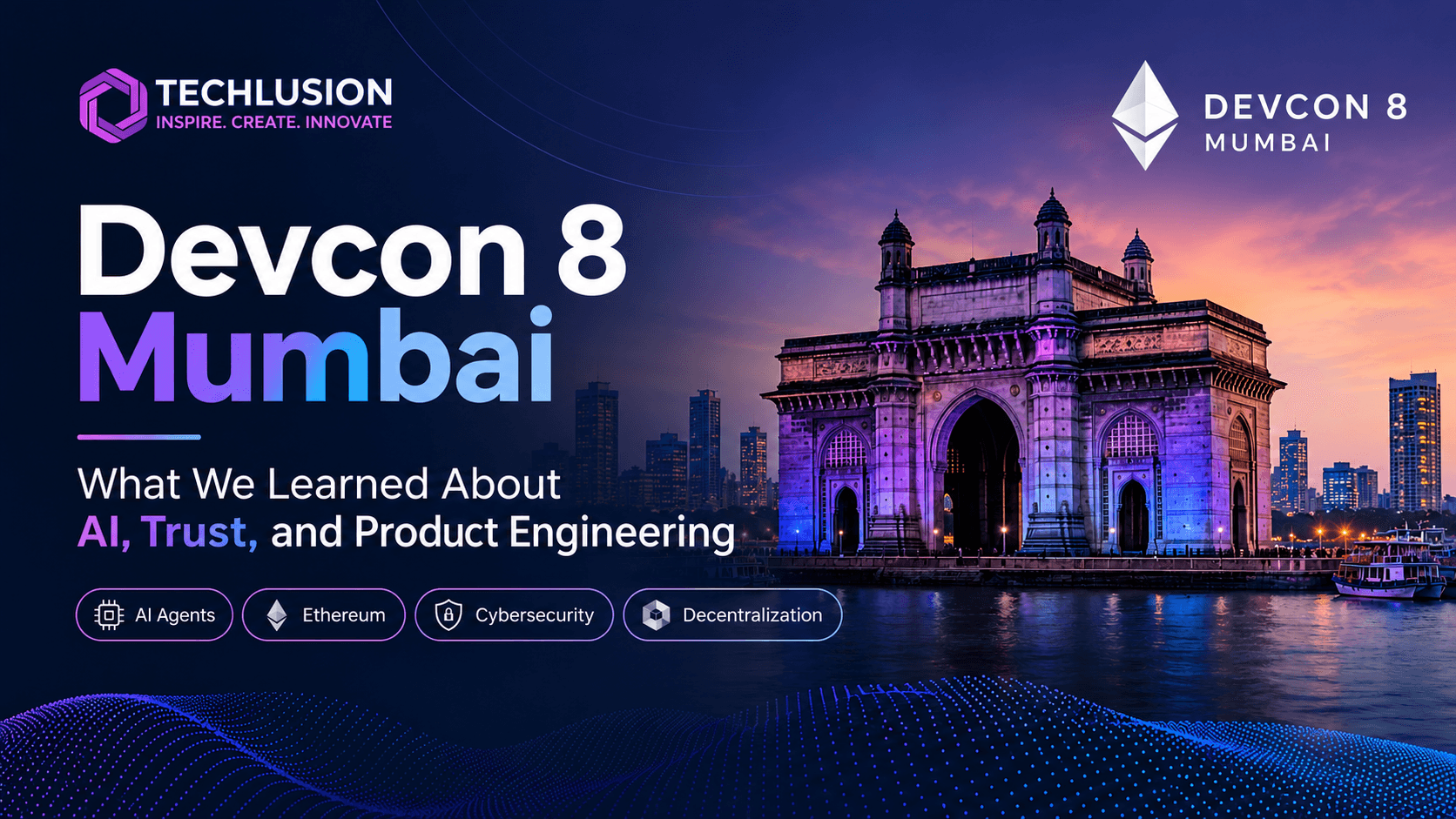
From November 3–6, 2026, Mumbai hosted Devcon 8, the Ethereum Foundation's flagship developer conference, at the Jio World Centre in Bandra Kurla Complex.
The four-day gathering brought together developers, researchers, entrepreneurs, and technology leaders exploring the future of Ethereum, artificial intelligence, privacy, security, and decentralized systems.
Representing Techlusion while also contributing to the event's organizing efforts provided an opportunity to observe both the technical presentations and the conversations happening across the developer community.
For Techlusion, an AI-Native Product Engineering Studio, Devcon represented more than a blockchain-focused event.
It offered valuable insights into the engineering challenges that startups, enterprises, and product teams increasingly face.
These included managing autonomous AI systems, securing digital infrastructure, protecting user information, and building scalable applications across interconnected platforms.
The central takeaway: Emerging technologies create the most value when they are supported by reliable architecture, strong security practices, and thoughtful product engineering.
Building Trustworthy Technology: The Message From Vitalik Buterin
One of the defining discussions at Devcon 8 came from Ethereum co-founder Vitalik Buterin.
During his opening keynote, he emphasized the importance of building open, secure, and verifiable technology.
The conversation extended beyond blockchain into broader questions about operating systems, hardware, information systems, and artificial intelligence.
As software becomes more complex, users increasingly depend on technologies they cannot directly inspect.
That creates a fundamental engineering challenge.
How can an organization demonstrate that its software behaves as intended, protects information appropriately, and operates within defined boundaries?
What this means for product engineering
Modern applications need mechanisms that make operations understandable and verifiable.
These include:
- Auditability: Maintaining clear records of critical system actions.
- Access control: Restricting sensitive resources to authorized identities.
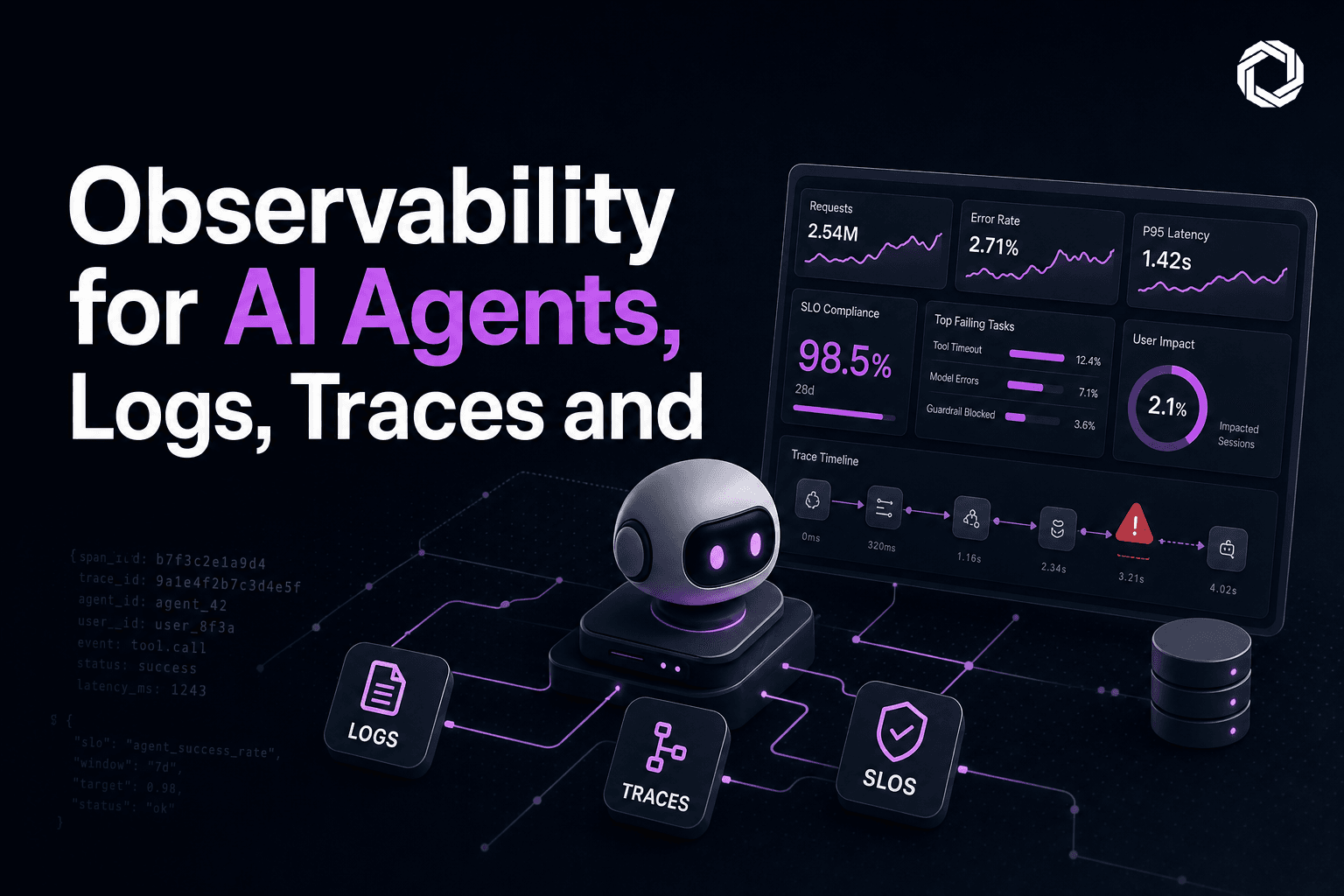
- Observability: Monitoring application behavior and detecting anomalies.
- Secure architecture: Reducing unnecessary dependencies and attack surfaces.
For businesses developing SaaS applications, AI solutions, or enterprise platforms, these capabilities contribute directly to operational reliability.
Techlusion's perspective: Trust should be designed into the architecture from the beginning rather than treated as an additional feature before launch.
AI Agents: Moving Beyond Chatbots to Autonomous Workflows
Artificial intelligence was another significant topic throughout Devcon 8.
In their session Can Agents Be Safe in the Open? Two Levels of Trust, Vitalik Buterin and Audrey Tang discussed the challenges of trusting autonomous systems.
The conversation highlighted a growing concern: AI agents are becoming capable of performing actions, not simply generating information.
Modern agents can interact with APIs, retrieve business data, execute workflows, and coordinate activities across software platforms.
From AI assistance to AI execution
Consider a customer support workflow.
A traditional chatbot might explain the status of a support request.
An AI agent could potentially classify the request, retrieve customer information, update a ticket, suggest a resolution, and initiate an approved follow-up action.
This introduces new challenges around authorization, accountability, accuracy, and system recovery.
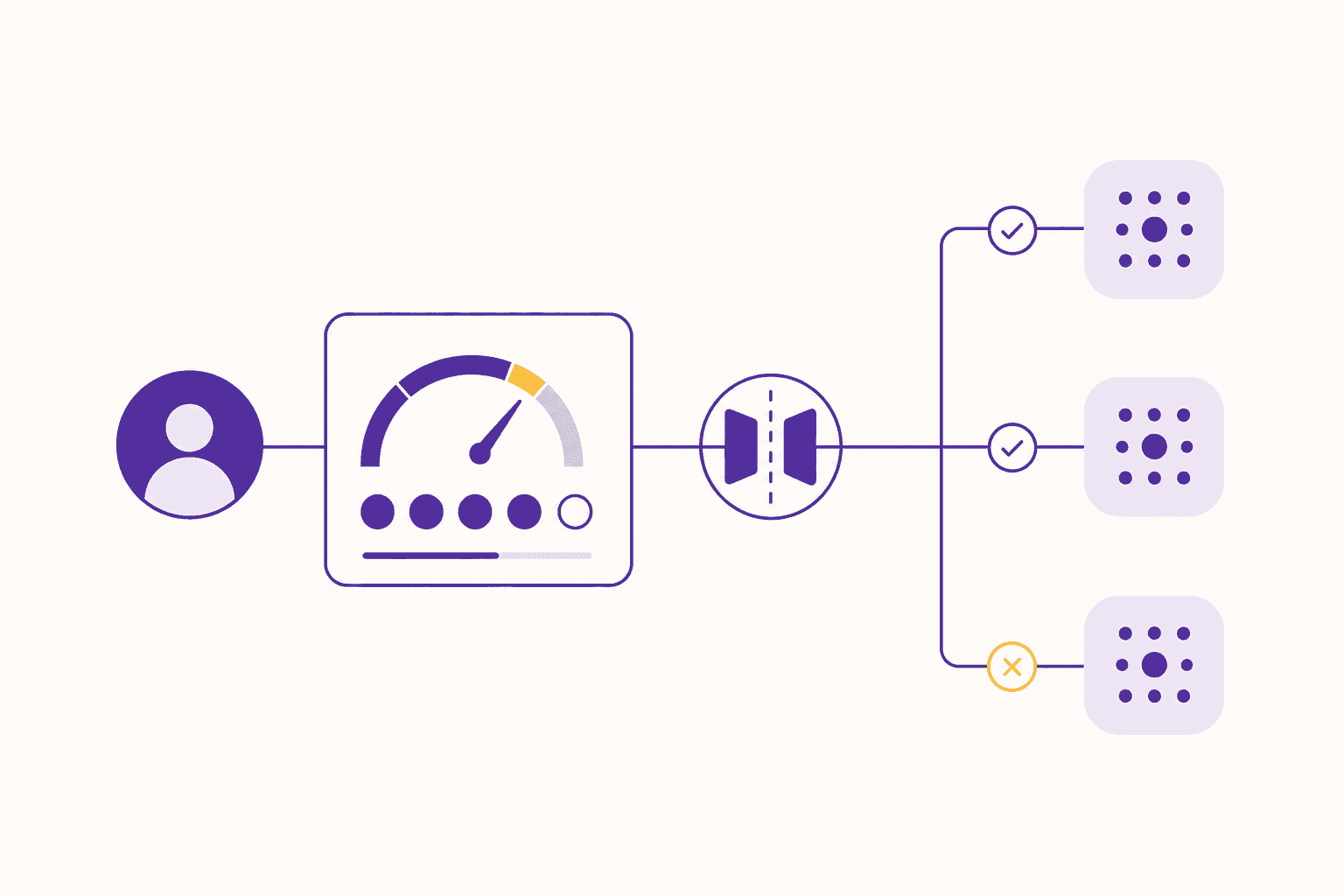
Agentic systems need more than a capable language model.
They require:
- Controlled access to tools and business systems
- Reliable workflow orchestration
- Validation of inputs and outputs
- Human approvals for sensitive actions
- Monitoring, error handling, and escalation procedures
At Techlusion, AI implementation is approached as part of a broader product architecture.
The objective is to create intelligent systems that support actual business workflows while remaining manageable in production.
Key insight: The next stage of AI adoption will be shaped by how reliably organizations can integrate agents into existing software operations.
Privacy by Design: A New Standard for Digital Products
Privacy emerged as a recurring theme at Devcon 8.
One important example was Kohaku, an open-source Ethereum wallet privacy initiative demonstrated during the conference.
The project explores bringing privacy-related capabilities directly into wallet infrastructure, making them easier for everyday users to access.
Although Kohaku focuses on Ethereum wallets, the underlying engineering principle applies to many types of applications.
Privacy should be an architectural consideration, not a complicated configuration that users must manage themselves.
Why privacy matters beyond blockchain
Modern digital products often process information across multiple databases, cloud services, APIs, and third-party integrations.
For businesses in healthcare, finance, SaaS, and enterprise technology, poorly designed data flows can introduce serious security and compliance risks.
Privacy-aware product engineering should consider:
- Minimizing unnecessary data collection
- Encrypting sensitive information
- Separating user identities and access permissions
- Limiting data exposure across integrations
- Establishing appropriate retention and deletion practices
These considerations are particularly important when AI systems interact with customer information.
The challenge is to deliver useful product functionality without creating unnecessary exposure.
Our takeaway: Privacy becomes easier to maintain when it is incorporated into the original system design instead of retrofitted after deployment.
Post-Quantum Security: Preparing Infrastructure for Future Threats
One of the most technically important discussions at Devcon 8 concerned post-quantum cryptography.
Ethereum Foundation researcher Justin Drake presented an ambitious goal of completing a broader post-quantum and post-AI transition by December 2028.
This was an accelerated aspiration rather than a formally adopted replacement for the Foundation's existing December 2029 quantum-resistance target.
Nevertheless, it highlighted the engineering preparation required to strengthen cryptographic infrastructure.
Why businesses should pay attention
Many digital products depend on cryptography for authentication, secure communication, digital signatures, and sensitive data protection.
Future sufficiently powerful quantum computers could compromise certain widely used public-key cryptographic algorithms.
Organizations should therefore understand their cryptographic dependencies and prepare for evolving security requirements.
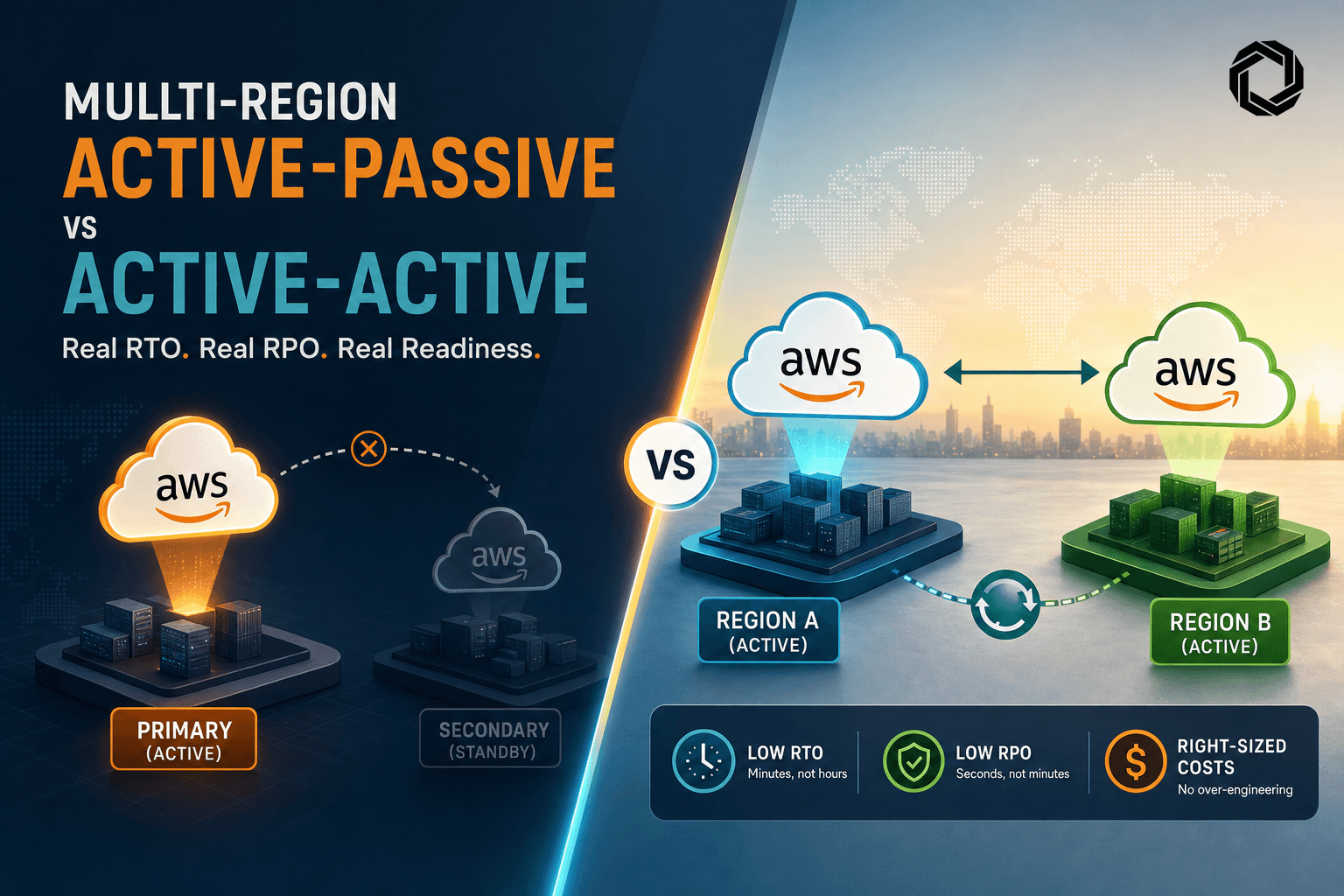
For cloud and DevOps teams, the priority is developing cryptographic agility.
This means building systems where security components can be identified and upgraded without requiring extensive application redesign.
Practical steps include documenting encryption dependencies, maintaining key inventories, tracking certificates, and using maintainable security libraries.
Techlusion's perspective: Future-ready infrastructure is not about predicting every emerging threat. It is about designing systems that can adapt safely as technologies and security requirements evolve.
AI Agents and Digital Payments: A New Direction for Software Integration
Another emerging concept discussed within the Devcon ecosystem was autonomous machine-to-machine payments.
Technologies such as x402 explore payment mechanisms that software agents can use when interacting with paid APIs and digital services.
Traditional payment experiences generally require direct user participation or a previously configured billing relationship.
Agent-oriented payment models introduce the possibility of authorized software systems purchasing services automatically.
The product engineering opportunity
Imagine an AI-powered business application that needs access to a specialized external data service.
Instead of requiring a separate manual purchasing workflow, an authorized agent could potentially request the service and complete a payment within defined spending limits.
This creates opportunities for new API business models, usage-based services, and automated digital workflows.
However, adoption depends on solving important engineering problems.
Systems must enforce spending permissions, authenticate agents, prevent repeated charges, handle failed transactions, and maintain auditable records.
Payment automation also introduces regulatory and financial responsibilities that cannot be solved by infrastructure alone.
For companies building SaaS platforms and AI products, the most practical lesson is to design APIs and access controls that can support increasingly automated clients.
Key insight: Machine-to-machine payments remain an emerging capability. Businesses should evaluate proven use cases before adding payment complexity to their products.
Scaling Ethereum: What Blockchain Infrastructure Teaches Product Teams
Scalability and interoperability were also important discussion points during Devcon 8.
The Ethereum Economic Zone initiative demonstrated work toward improving interactions between Ethereum mainnet and rollup infrastructure.
Its Rollup X demonstration explored accessing mainnet liquidity from a rollup without requiring the conventional multi-step bridging experience.
Although experimental, this direction reflects a broader objective in software engineering: reducing infrastructure complexity for users.
From complicated architecture to simple experiences
Many modern applications rely on distributed systems.
A typical SaaS product might connect identity services, databases, payment platforms, automation tools, and external APIs.
The complexity of these integrations should not become the user's responsibility.
Applications need reliable coordination behind the interface.
That requires strong API contracts, retry mechanisms, idempotent operations, monitoring, and predictable failure handling.
For product teams, scalability is not simply about supporting more users.
It is also about maintaining performance, reliability, and usability as the number of connected systems increases.
At Techlusion, cloud-native architecture and product engineering work together to address these challenges.
Our takeaway: Infrastructure improvements matter most when they remove friction from real user experiences and make applications easier to operate.
Ethereum's Long-Term Direction: Reliability Over Market Hype
Devcon 8 also featured discussions about Ethereum's economic direction and long-term purpose.
Vitalik Buterin's comments describing ETH as money and a store of value generated debate about network value, transaction fees, and Ethereum's role as foundational infrastructure.
For software teams, the most relevant lesson is broader than Ethereum's token economics.
Technology platforms should be evaluated according to their actual capabilities and long-term suitability.
Choosing technologies for the right reasons
Engineering teams frequently encounter pressure to adopt emerging technologies because they are attracting attention.
But adoption should be driven by product requirements.
A technology choice should answer practical questions:
- Does it solve a meaningful customer or business problem?
- Can it support the expected workload?
- Is it secure and maintainable?
- Does the team have the expertise to operate it?
- Will its long-term benefits justify implementation and operating costs?
These questions apply equally to blockchain networks, AI frameworks, databases, cloud providers, and automation platforms.
At Techlusion, the objective is not to introduce technology for its own sake.
It is to select architecture that supports real business outcomes and can evolve as the product grows.
Key insight: Sustainable technology decisions are based on engineering requirements and measurable value rather than short-term popularity.
Security in the Age of AI: Why DevOps Matters More Than Ever
Security discussions at Devcon reinforced the importance of protecting increasingly automated infrastructure.
During Devcon week, security firm Trail of Bits published guidance emphasizing the separation of critical signing systems from ordinary business infrastructure.
The broader concern is highly relevant to organizations giving AI tools access to internal operations.
An automated tool with excessive permissions can introduce serious risks even when the tool itself was built for legitimate purposes.
Building secure AI-native infrastructure
As organizations integrate AI into deployment workflows, internal tools, customer operations, and financial processes, access boundaries become essential.
AI agents and automation platforms should only receive the permissions required to perform their intended tasks.
Sensitive actions should be controlled through appropriate authorization mechanisms.
For engineering teams, important practices include:
Least-privilege access: Limit agent and service permissions to defined responsibilities.
Secure CI/CD: Protect deployment pipelines, secrets, infrastructure credentials, and production environments.
Continuous monitoring: Track unusual activity, failures, and suspicious system changes.
Controlled execution: Introduce approval requirements for destructive or high-impact actions.
Incident response: Establish procedures for identifying, containing, and recovering from security events.
These practices are essential for reliable software delivery, whether a company operates blockchain infrastructure or a conventional cloud-native application.
At Techlusion, DevOps and platform engineering focus on making software deployable, observable, maintainable, and secure throughout its lifecycle.
Our takeaway: AI increases the importance of good infrastructure engineering rather than replacing it.
What Devcon 8 Means for Techlusion and the Future of Product Engineering
Devcon 8 demonstrated how several important technology trends are converging.
AI systems are gaining greater autonomy.
Security and privacy requirements are becoming more demanding.
Distributed platforms are working to reduce infrastructure complexity.
Cryptographic systems are preparing for future risks.
Although these developments originate in different technical communities, they point toward a common requirement: software must be engineered for reliability, transparency, and long-term adaptability.
Five practical lessons for modern product teams
1. Build AI around actual business workflows.
AI should improve productivity, decision-making, customer experiences, or operational efficiency rather than being introduced without a clear purpose.
2. Treat security as a product requirement.
Access controls, monitoring, data protection, and secure infrastructure should be part of architectural planning.
3. Design systems that can evolve.
Modular architecture, clear integrations, and maintainable infrastructure help products adapt to changing requirements.
4. Make complex technology easier to use.
Good product engineering translates sophisticated infrastructure into simple, predictable user experiences.
5. Invest in production readiness.
Testing, deployment automation, observability, documentation, and recovery procedures are essential parts of building dependable software.
Final Thoughts
Devcon 8 Mumbai offered valuable perspectives on the future of AI, blockchain, cybersecurity, and digital infrastructure.
The strongest message was not that every business needs to adopt decentralized technology.
It was that modern software increasingly requires stronger engineering foundations.
At Techlusion, we apply these principles across AI-native applications, custom software, SaaS platforms, cloud infrastructure, data systems, and automation.
Our focus remains on helping companies move from ideas to reliable, production-ready digital products.
The future of software will not be defined only by what technology can do, but by how reliably, securely, and effectively it delivers value.
Thank you to the Devcon organizers, the Ethereum Foundation, and the builders who made Mumbai an opportunity for meaningful technical exchange.